

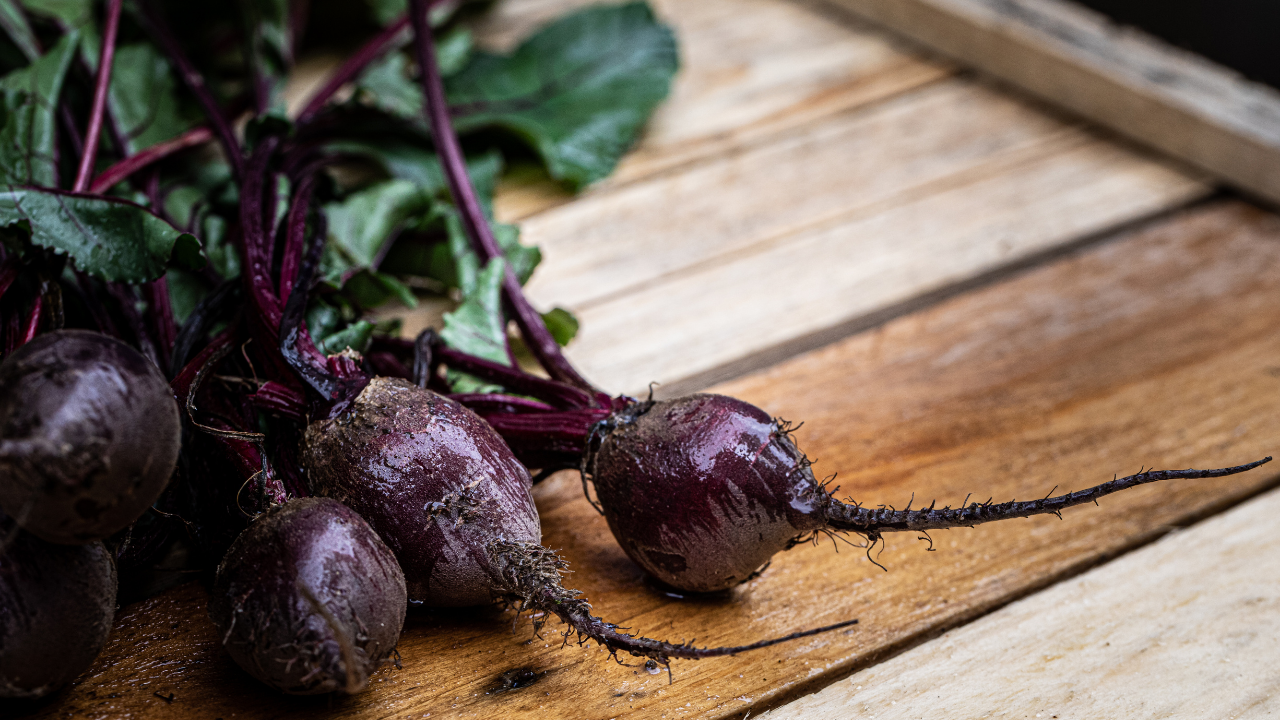
Our garden is not separate from the kitchen. It is where it begins.
What is grown, harvested and nurtured here shapes the menu each day, guiding flavour, seasonality and creativity in equal measure. From the first shoots of spring to the deeper, more considered flavours of autumn, the garden sets the rhythm for everything we do.
A living, evolving space.
In early 2020, during an unexpected pause for the restaurant, we found ourselves with time and space to grow something of our own. With the help of our niece and nephew, and a green double-decker bus transformed into a greenhouse, our kitchen garden took root.
From the beginning, we chose a no-dig approach, protecting the natural structure of the soil and nurturing its ecosystem. Compost is made on site wherever possible, supporting a way of growing that is regenerative, chemical-free and considered.
Today, the garden is worked with care and intention, following the rhythm of the seasons. Herbs, vegetables and edible flowers are grown as much for their character as for their yield — varieties chosen for flavour, heritage and their response to the soil and climate.
Shaped by weather, time and the small daily decisions of working closely with our family on the land, it continues to evolve. Five seasons on, it is no longer a project, but part of who we are.
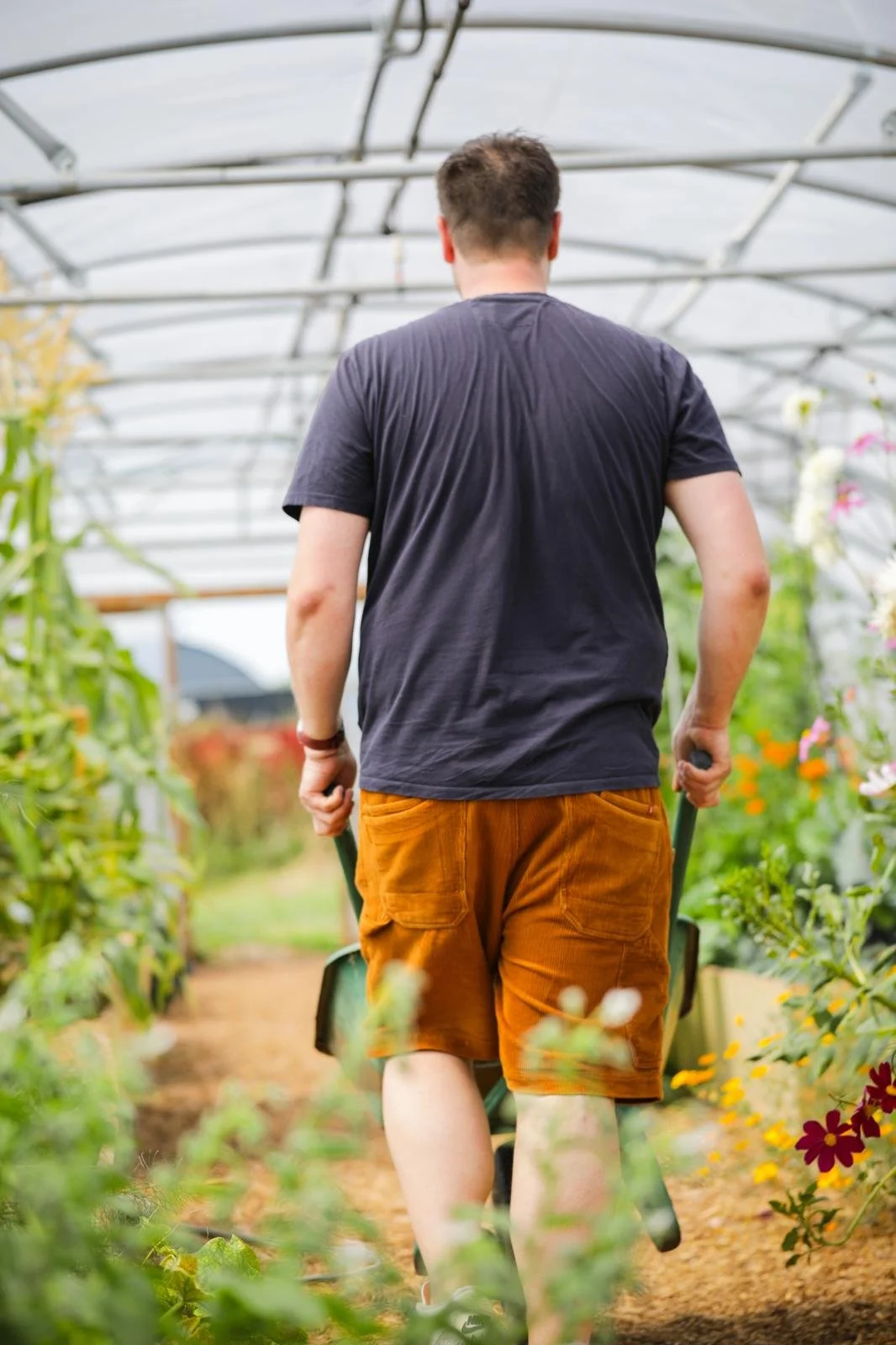
The connection between garden and kitchen is immediate and direct.
Ingredients are harvested at their peak and brought straight into the kitchen, often within hours, allowing them to be used at their most vibrant.
This closeness informs not just what appears on the menu, but how each dish is conceived — led by what is ready rather than what is expected. The result is a style of cooking that feels both precise and natural, grounded in clarity, balance and respect for the ingredient.
Each season brings its own rhythm, from early herbs and tender greens to deeper, more structured flavours as the year unfolds. What you experience on the plate is always a reflection of this moment.
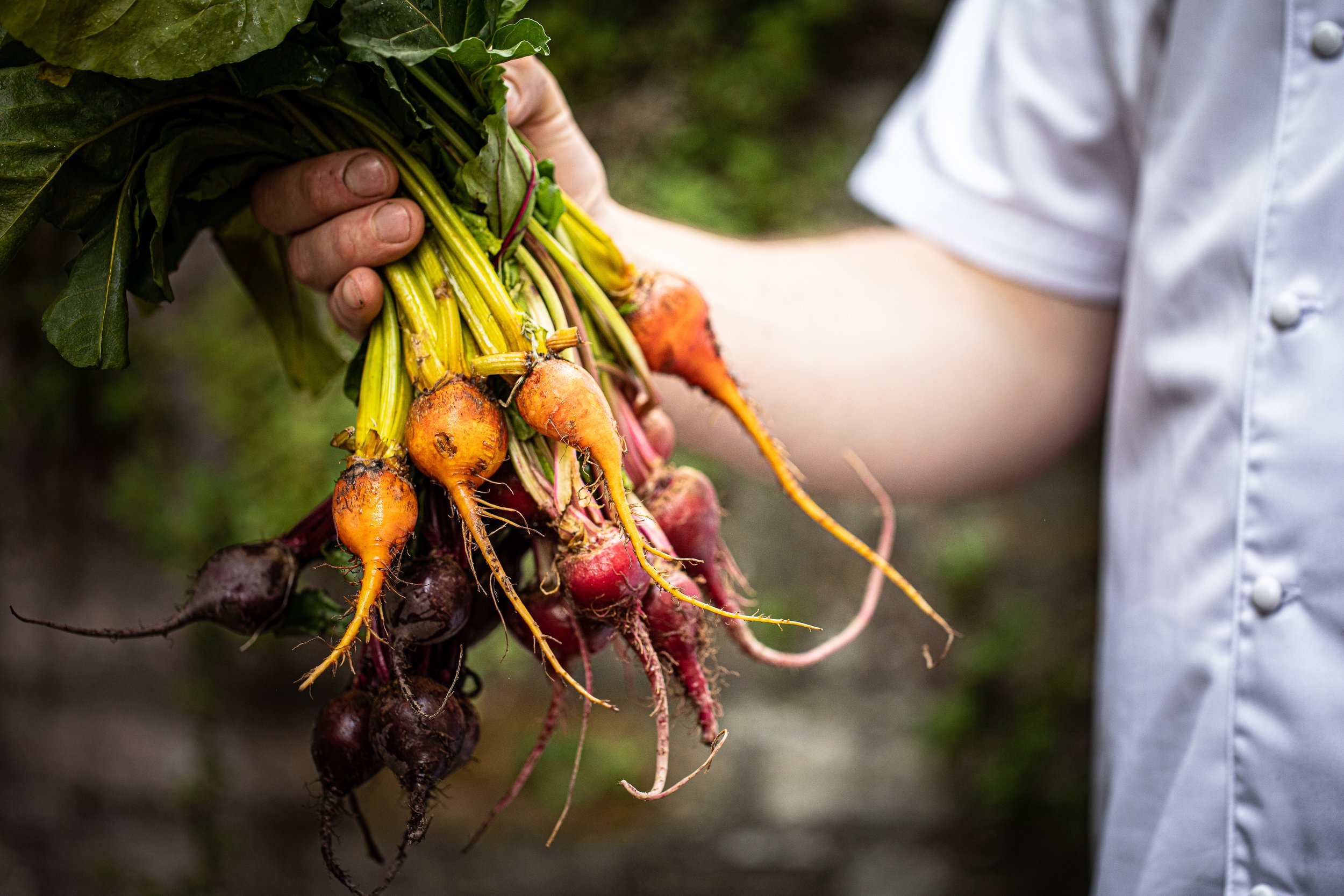
A broader cycle.
The garden is also central to our wider approach to sustainability. Composting returns organic matter to the soil, supporting future growth, while pollinator-friendly planting encourages biodiversity and resilience.
These practices are not separate initiatives, but part of a continuous cycle — one that connects the land, the kitchen and the dining room.
More than a source of ingredients, the garden shapes the way we think. It encourages a slower, more considered approach to cooking, rooted in observation, seasonality and a lasting connection to the land.